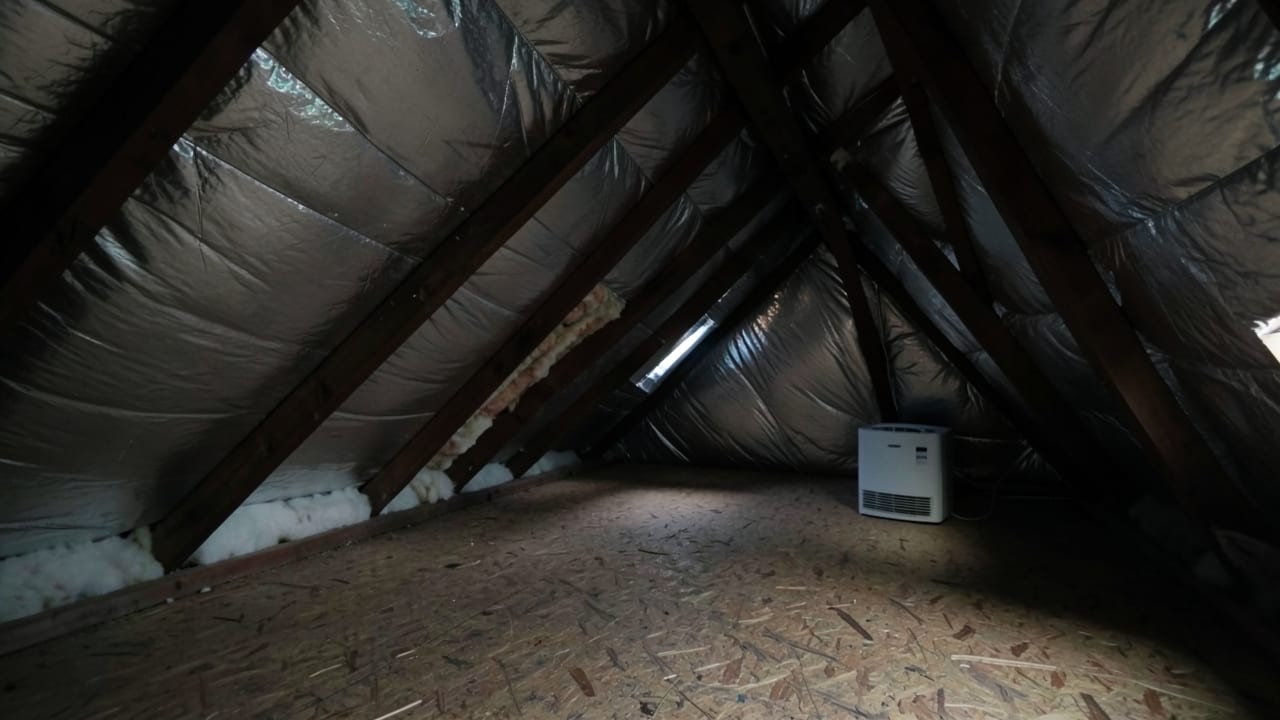
Pre-Winter Mold Prevention
Pre-winter mold prevention involves inspection and treatment to stop mold growth before cold weather.
As temperatures drop in Riegelsville, PA, moisture trapped in attics, basements, and crawl spaces can fuel mold growth before winter sets in. Pre-winter mold prevention focuses on sealing leaks, improving airflow, and treating vulnerable areas to reduce the risk of hidden mold taking hold.
Addressing these issues early helps protect your home’s structure and indoor air quality before cold weather exacerbates humidity problems.
We also handle Sunroom Mold Remediation and Closet Mold Cleanup for Riegelsville properties.
When to act: signs you need pre-winter mold prevention
Mold often starts small but spreads quickly in damp, poorly ventilated spaces. Look for visible growth covering more than a small patch—typically over 25 square feet—or recurring mold in the same spot after cleaning.
A persistent musty smell, especially when the HVAC runs, may indicate hidden growth behind walls or in ductwork.
Stagnant air in windowless rooms, closets, or basements also signals a risk. If you’ve noticed condensation on windows, damp spots on ceilings, or water stains on walls, these are signs moisture is already accumulating. Addressing these issues before winter helps prevent mold from becoming a larger, harder-to-resolve problem.
Key Warning Signs of Mold Risk in Your Home
- Mold growth covering more than a small, isolated patch (over 25 sq. ft.)
- Recurring mold in the same spot after cleaning or treating
- A musty smell that worsens when the HVAC system turns on
- Visible condensation, water stains, or damp spots on walls/ceilings
- Poor airflow in basements, closets, or windowless rooms
What affects cost and timing?
The size of the area being treated—measured in square footage—is the primary factor in pricing. Larger spaces or confirmed black mold cases may require additional containment, equipment, and labor, which can increase costs. Accessibility also plays a role; tight or hard-to-reach spaces may slow down the process.
Pre-winter prevention often moves faster than full remediation because it focuses on sealing leaks, improving ventilation, and applying treatments rather than removing contaminated materials. However, if hidden mold is discovered during inspection, the scope of work may expand, affecting both time and cost.
What to expect during the process
A professional pre-winter mold prevention service starts with a thorough inspection to identify moisture sources, poor ventilation, and high-risk areas. Containment is set up using plastic sheeting and negative-air machines to prevent spores from spreading during treatment.
This step is critical, especially in older homes where HVAC systems may circulate air throughout the house.
After containment, the team addresses the root cause—sealing leaks, improving airflow with fans or dehumidifiers, and applying preventive treatments to vulnerable surfaces. Unlike full remediation, this process focuses on stopping future growth rather than removing existing mold.
Clearance testing confirms the work area meets safe humidity and spore levels before completion.
Skipping containment or using non-HEPA equipment can spread spores to unaffected areas, turning a small job into a larger one. Always verify that the team fixes the moisture source—not just the visible mold—to prevent regrowth. A written scope of work and third-party clearance testing ensure the job is done thoroughly.
How pre-winter mold prevention works
- 1Inspection and Assessment
The team inspects your home for moisture sources, poor ventilation, and high-risk areas like basements, attics, and crawl spaces. They identify leaks, condensation issues, and structural weaknesses that could lead to mold growth before winter.
- 2Containment Setup
Plastic sheeting and negative-air machines are used to seal off the work area, preventing spores from spreading to other parts of your home during treatment. This step is especially important in older homes with shared ductwork.
- 3Root Cause Treatment
Leaks are sealed, ventilation is improved with fans or dehumidifiers, and preventive treatments are applied to surfaces prone to moisture buildup. Unlike full remediation, this step focuses on stopping future growth rather than removing existing mold.
- 4Structural Drying (If Needed)
Industrial dehumidifiers and air movers are used to dry framing, subfloors, or walls if moisture readings are elevated. Bringing humidity levels down prevents mold from regrowing on damp materials.
- 5Clearance Testing
An independent lab tests air and surfaces in the treated area to confirm spore levels are back to normal before containment is removed. This step ensures the work was effective and the area is safe to reoccupy.
Frequently asked questions
Can I handle small mold patches myself, or should I call a professional?
Small, isolated patches (under 25 sq. ft.) can often be cleaned with vinegar or a bleach solution, but recurring mold or hidden growth usually requires professional intervention. A musty smell with no visible mold often means the problem is hidden—calling a professional ensures the root cause is addressed.
How long does pre-winter mold prevention take?
The process typically takes 1–3 days, depending on the size of the area and whether hidden mold is discovered. Containment, treatment, and drying are the most time-consuming steps. A professional can provide a more accurate timeline after inspecting your home.
Will my home’s humidity levels be checked after the work is done?
Yes, clearance testing includes humidity and spore-level checks to confirm the treated area is safe. This step ensures the moisture source was properly addressed and the risk of regrowth is minimized.
Do I need to be home during the service?
You don’t need to be present, but it’s helpful to discuss access points and any concerns during the inspection. The team will contain the work area to prevent disruption to your daily routine.
Where Riegelsville sits, and what the Census lists nearby
Riegelsville sits in Pennsylvania, and the closest places listed in the U.S. Census Gazetteer are Finesville, NJ (1.8 miles northeast), Raubsville (2.1 miles north), Glendon (4.8 miles northwest), Alpha, NJ (4.9 miles northeast). Within 25 miles of Riegelsville the same source lists 135 distinct incorporated places and census-designated places.
Those figures matter for pre-winter mold prevention because they are straight-line distances between Census coordinate points: road mileage between Riegelsville and Finesville runs longer than the 1.8 miles shown, which is why quotes for the same job differ between towns that look close together on a map.
Source: U.S. Census Bureau Gazetteer.
See Freemansburg, PA for more, or check out everything on offer in Riegelsville in full for our complete lineup.
Ready to get started?
Talk to a local mold remediation pro in Riegelsville — get a written quote.
Other Mold Remediation Services in Riegelsville
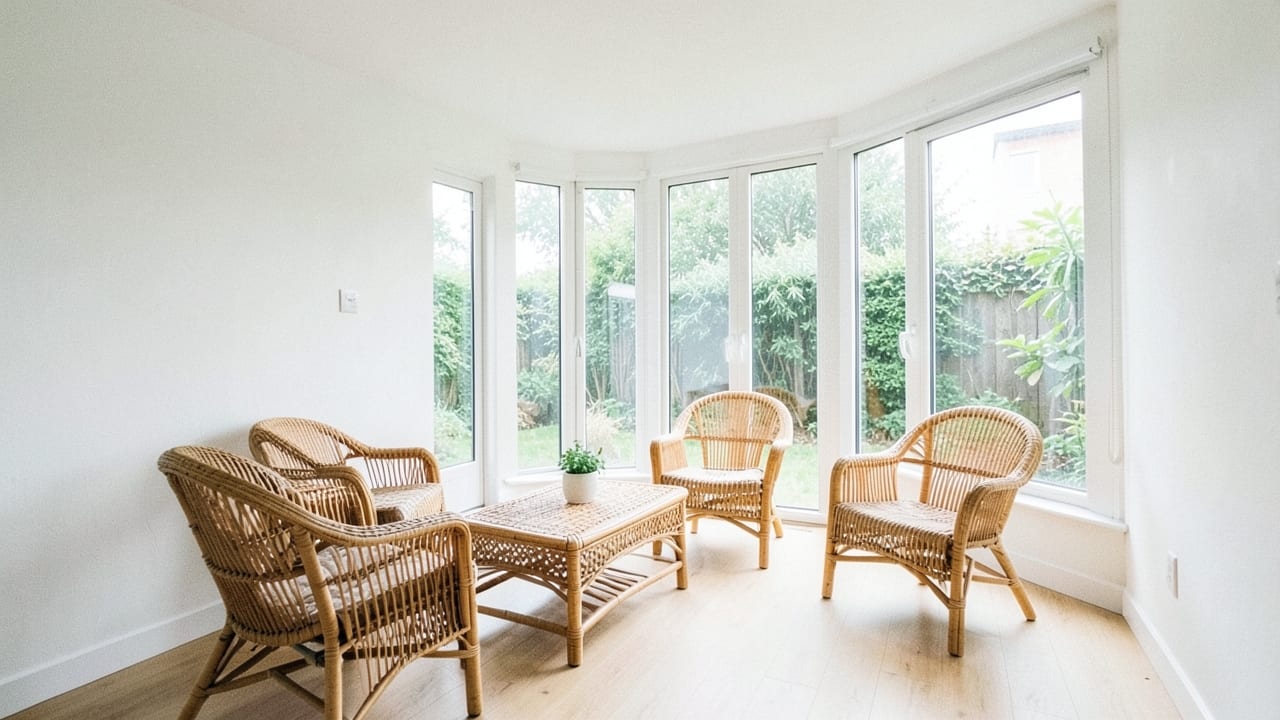
Sunroom Mold Remediation in Riegelsville, PA
Professional removal and treatment of mold in sunrooms to restore a safe, clean space.
Learn More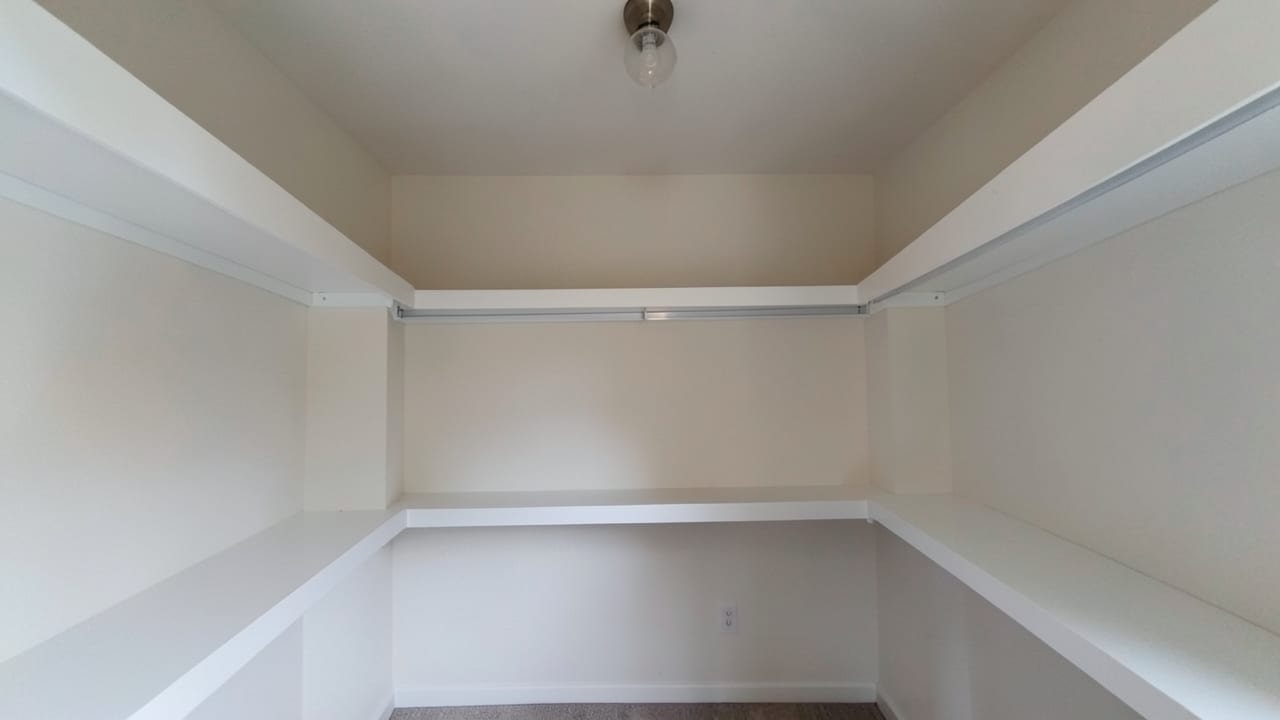
Closet Mold Cleanup in Riegelsville, PA
Professional cleanup and removal of mold from closets to restore safe, healthy spaces.
Learn More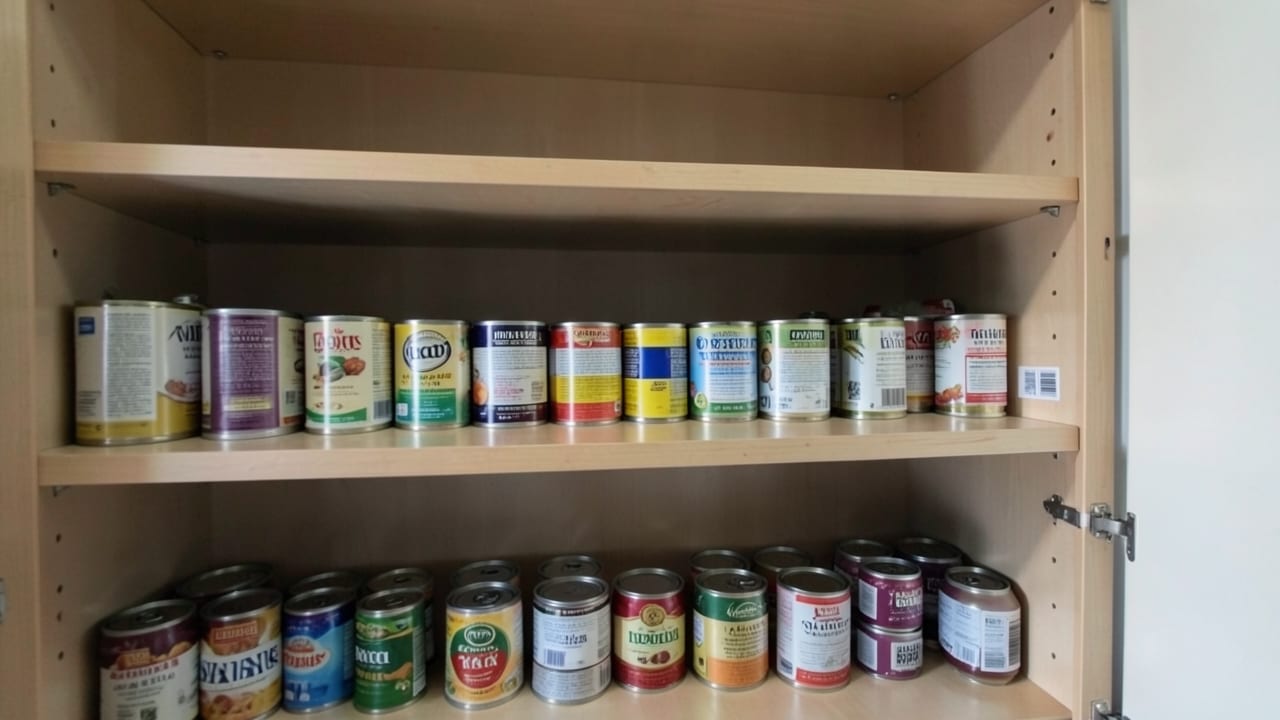
Pantry Mold Treatment in Riegelsville, PA
Professional assessment and removal of mold in pantry areas to restore a safe, clean space.
Learn More
Gym Mold Remediation in Riegelsville, PA
Professional removal and treatment of mold in gyms to restore safe, clean environments.
Learn More
Fire Smoke Mold Remediation in Riegelsville, PA
Professional cleanup and restoration of fire, smoke, and mold damage in homes.
Learn More
Pet Urine Mold Treatment in Riegelsville, PA
Professional removal of mold caused by pet urine in homes, including assessment and treatment.
Learn MoreCommon Questions About Mold Remediation in Riegelsville
Everything you need to know about mold remediation services in Riegelsville
How much does Pre-Winter Mold Prevention typically cost in Riegelsville, PA?
Why does Riegelsville, PA's humidity make mold a bigger risk than in drier regions?
Does mold mean the same thing as mildew?
Does homeowners insurance typically cover mold remediation?
Is black mold actually more dangerous than other mold types?
How long does a typical mold remediation job take?
Need Mold Remediation in Riegelsville?
Connect with local providers in Riegelsville for a detailed quote.
⏰ We answer your call • Serving all of Riegelsville and surrounding areas